Our Location
Room 1287, Yinzhushan Road,Huangdao, Qingdao, China

Room 1287, Yinzhushan Road,Huangdao, Qingdao, China

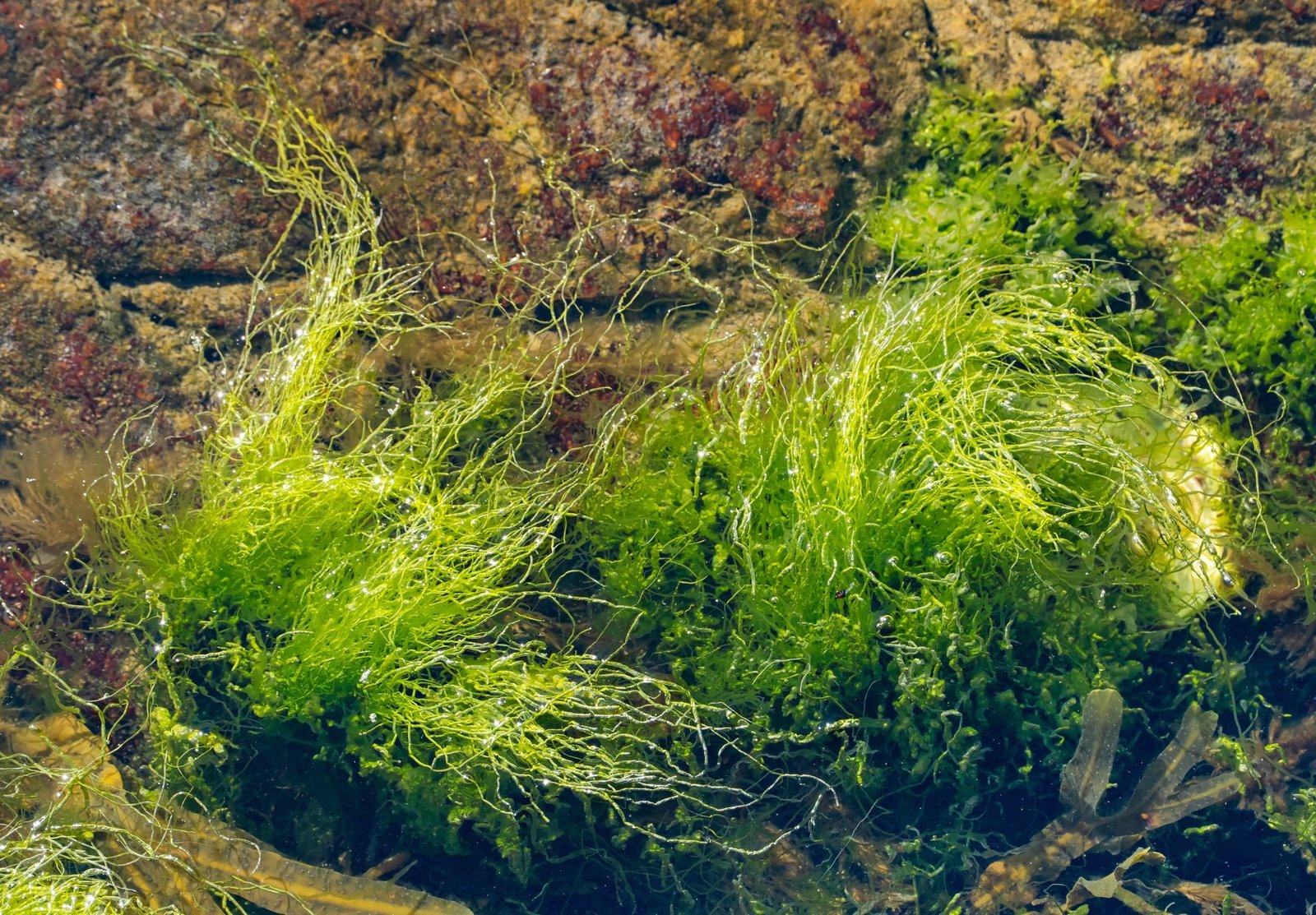
Belonging to the Chlorophyta phylum, Ulvales order, and Ulvaceae family, Enteromorpha is a dominant species among wild algal resources. It thrives in intertidal and subtidal zones, commonly found on sandy gravel, rocks, tidal flats, and rocky coasts. Historically, this green alga has served dual purposes as both a food source and traditional medicine. The Compendium of Materia Medica notes its uses: burned to powder for stopping nasal bleeding or soaked and pounded to relieve swelling/pain on the skin.
🔬 Ecological Impact
While vital in some ecosystems, Enteromorpha can trigger natural disasters. Its small size and large surface area enable rapid nutrient uptake, leading to explosive growth under favorable conditions. Massive blooms suffocate fish by clogging gills, block sunlight for bottom-dwelling algae, and create “dead zones” when decaying biomass depletes oxygen levels, turning waters stagnant and toxic.
💡 Application Value
Beyond ecological challenges, Enteromorpha offers significant commercial potential. After processing—including desanding, waste removal, drying, and milling—it becomes a key ingredient in seaweed feed additives and soil conditioners. Analyses of Enteromorpha clathrata, Ulva lactuca, and Caulerpa racemosa reveal their composition: over 92% consists of polysaccharides, proteins, and crude fiber (64.22–70.80% dietary fiber; 14.15–18.91% protein, avg. 16.16%). They also boast rich mineral (Fe, Zn, I) and vitamin C content, enhancing their value in sustainable agriculture and nutrition.