Our Location
Room 1287, Yinzhushan Road,Huangdao, Qingdao, China

Room 1287, Yinzhushan Road,Huangdao, Qingdao, China

Twenty grades are catalogued under five families. The families are separated by what the product is built to correct, not by price or by packaging: a buyer who needs nutrient availability buys from the fulvic and amino acid family, a buyer whose constraint is soil structure buys potassium fulvate, and a buyer who needs the seaweed biostimulant effect chooses a seaweed extract form that matches the application method.
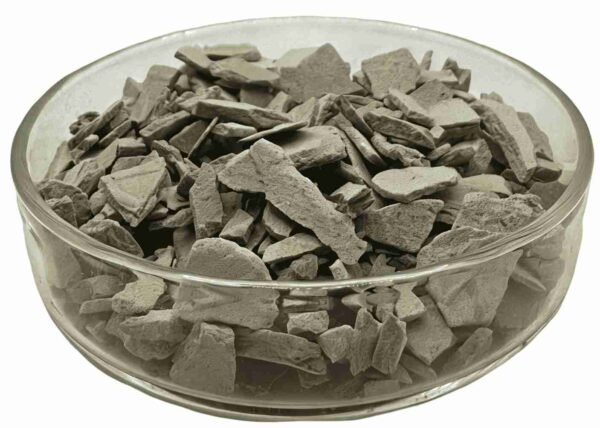
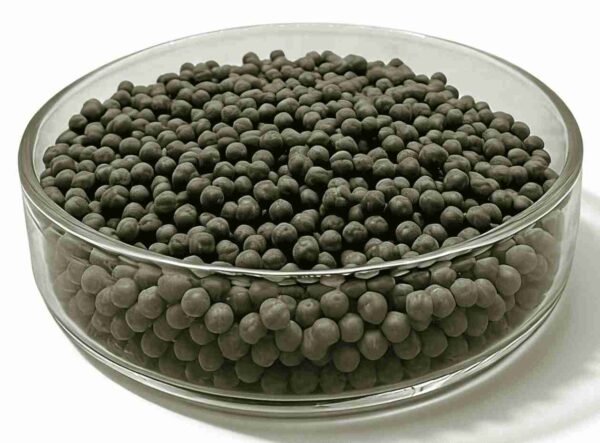
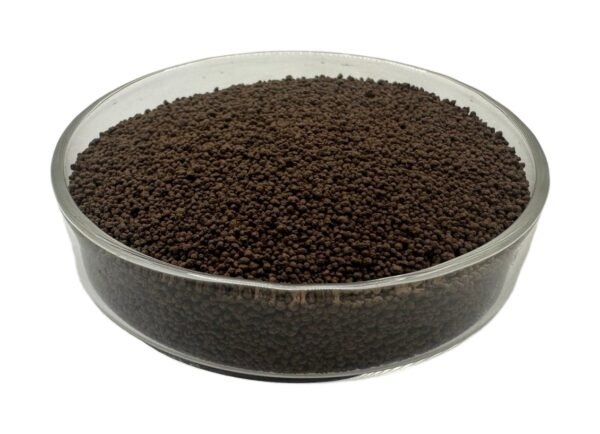
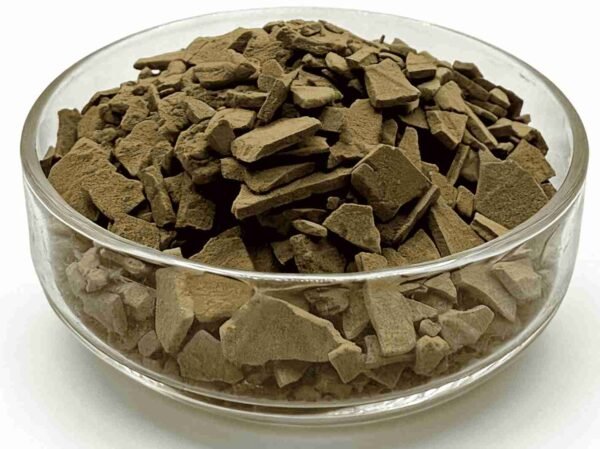
The difference between two grades in the same family is usually physical form and one declared figure, not overall quality. Form decides the application route: a powder goes through a spray nozzle or a fertigation line, a flake is broadcast and incorporated, a granule releases over weeks in the root zone. The declared figure then decides the dose per hectare and the cost per unit of active ingredient.
Every product page carries its own declared values and states which application methods it is built for. Where the choice is between two similar grades, the active ingredients guide explains what each fraction does, and the application efficacy guide separates what has been measured from what has not.
Seadom has manufactured in Qingdao for more than 35 years using Ascophyllum nodosum from Quebec and an enzymatic hydrolysis process, and exports to more than 40 countries. Where a formal specification is required, tell us the declared values and the destination market and we will confirm which grade meets it.