Our Location
Room 1287, Yinzhushan Road,Huangdao, Qingdao, China

Room 1287, Yinzhushan Road,Huangdao, Qingdao, China

Seaweed Polysaccharide – Natural Plant Growth Enhancer & Organic Fertilizer
Our Seaweed Polysaccharide is a premium, natural solution designed to enhance plant growth, soil health, and agricultural productivity. Extracted from high-quality seaweed, this water-soluble powder is rich in bioactive polysaccharides, essential minerals, and natural plant hormones, making it an effective organic fertilizer and plant growth booster for farmers, gardeners, and horticulturists.
Nutrient-Rich Composition
This high-performance seaweed extract powder delivers essential nutrients to promote healthy plants and fertile soil:
Seaweed Polysaccharide ≥60% – Improves plant metabolism, strengthens cell walls, and promotes resilience against environmental stress.
Alginic Acid ≥25% – Enhances soil structure, increases water retention, and supports robust root development.
Organic Matter ≥40% – Enriches the soil, boosts microbial activity, and improves nutrient availability.
Total Nitrogen ≥1.5% – Supports vigorous plant growth and development.
Potassium (K₂O) ≥12% – Vital for flowering, fruiting, and overall plant health.
Mannitol, Amino Acids, and Microelements – Provide additional nutrition and enhance plant vitality.
With a pH of 5.0–8.0, moisture ≤10%, and 100% water solubility, this powder is stable, easy to store, and ready for efficient application in various cultivation systems.
Benefits for Agriculture
Our Seaweed Polysaccharide is a versatile organic plant growth enhancer and soil conditioner with multiple advantages:
Promotes Root Growth – Encourages stronger, deeper roots for better water and nutrient absorption.
Enhances Nutrient Uptake – Improves efficiency of fertilizers and ensures plants receive essential minerals.
Boosts Stress Resistance – Strengthens plants against drought, cold, salinity, and disease.
Improves Soil Structure – Increases water-holding capacity, supports beneficial microbes, and enhances soil fertility.
Increases Crop Yield & Quality – Supports lush foliage, vibrant flowers, and high-quality fruit production.
Suitable for vegetables, fruits, grains, flowers, and ornamental plants, it’s ideal for greenhouses, open fields, and hydroponic systems.
Easy-to-Use & Water-Soluble
The 100% water-soluble nature of this seaweed extract powder makes application simple and efficient:
Soil Drenching: Apply directly to the root zone to enhance nutrient absorption and root development.
Foliar Spray: Spray onto leaves for rapid uptake and visible growth benefits.
Hydroponic Systems: Easily incorporated into nutrient solutions for soilless cultivation.
Its solubility ensures uniform nutrient delivery, fast absorption, and reliable performance.
Why Choose Our Seaweed Polysaccharide?
High Purity & Natural Extraction – Sourced from premium seaweeds to provide bioactive compounds for plants.
Organic & Eco-Friendly – Safe for sustainable agriculture and environmentally responsible practices.
Versatile Applications – Effective in agriculture, horticulture, hydroponics, and landscaping.
Enhances Plant Growth & Soil Health – Promotes vigorous roots, stronger plants, and higher crop yields.
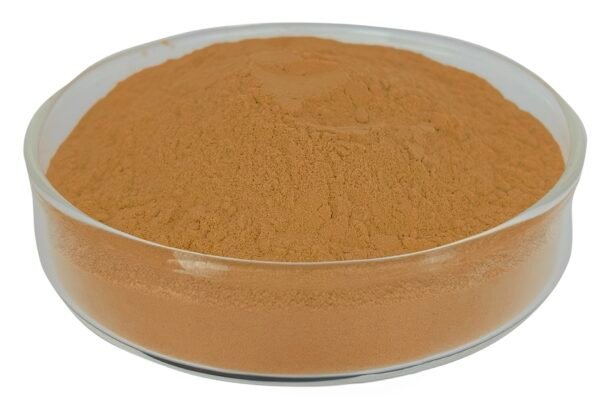
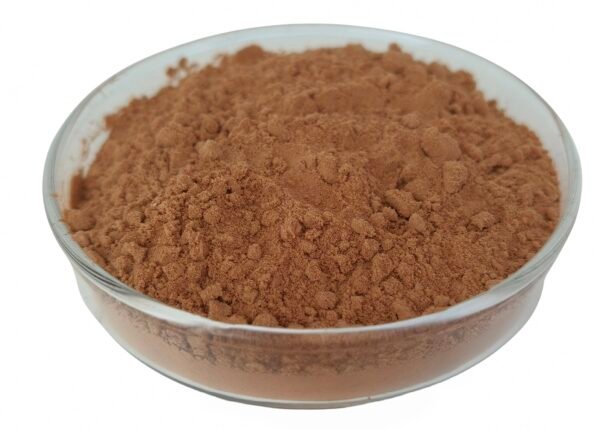
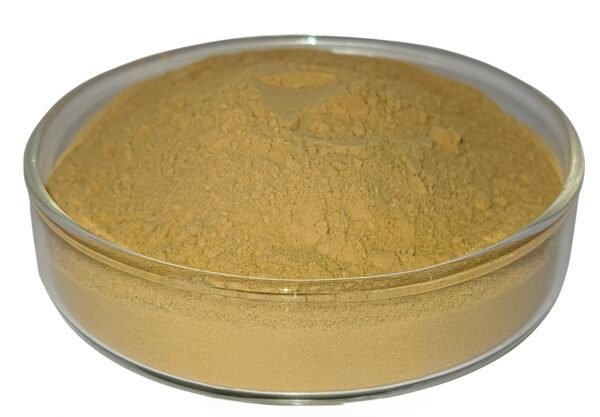
Three seaweed polysaccharide powders, differing in polysaccharide and alginic acid concentration. These are the grades we supply where the target is stress tolerance, soil structure and root development rather than bulk nutrition — and where a documented application rate is needed before a trial is committed.
Seaweed extract is not one substance. It is a mixture of polysaccharides (alginic acid, fucoidan, laminarin), mannitol, betaines, plant hormones and a mineral background. The polysaccharide fraction is the part most closely associated with the physical effects growers notice first: water retention in the root zone, aggregation of soil particles, and a thicker, more elastic leaf surface going into a stress period.
That is why these three grades are sold on polysaccharide content rather than on NPK. A grower who needs nitrogen buys a nitrogen product; a grower whose problem is that the crop collapses in the first hot week after a cold spell is buying a different mechanism.
| Declared item | Grade X | Grade Y | Grade Z |
|---|---|---|---|
| Seaweed polysaccharide | ≥ 30% | ≥ 40% | ≥ 60% |
| Alginic acid | ≥ 15% | ≥ 20% | ≥ 25% |
| Organic matter | ≥ 35% | ≥ 35% | ≥ 40% |
| Mannitol | ≥ 2% | ≥ 4% | ≥ 8% |
| Nitrogen (N) | ≥ 4% | ≥ 2% | ≥ 1.5% |
| Potassium (K2O) | ≥ 17% | ≥ 18% | ≥ 12% |
| Amino acids | ≥ 3% | ≥ 0.5% | — |
| Magnesium (MgO) | — | — | ≥ 1% |
| pH | 5.0–8.0 | 5.0–8.0 | 5.0–8.0 |
| Moisture | — | ≤ 10% | ≤ 10% |
| Solubility | 100% | 100% | 100% |
The progression is not linear and it is not a simple upgrade path. Grade X carries the highest nitrogen and the only declared amino acid content, so it does some feeding as well as conditioning. Grade Z carries the highest polysaccharide, alginic acid and mannitol, and the lowest nitrogen, so it is the purest expression of the stress-tolerance mechanism. Grade Y sits between the two but adds phosphorus and a moisture specification that the other two do not declare.
Grade X is the one grade in this range where the page carries explicit rates rather than only a method: foliar 1–2 g per litre of water every 10–15 days, and irrigation 1–2 kg per hectare, adjusted to crop demand. Cosmetic formulation use is typically 1–5% concentration.
Those figures are a starting point for a trial, not a universal recommendation. Real rates move with crop, growth stage, water volume per hectare and what else is in the tank. On the other two grades the pages describe the application route without publishing a rate, which is deliberate: we would rather give a rate we can defend for a specific crop than publish one number that is wrong for most of them. Tell us the crop and the target and we will propose a rate to trial.
These are pH 5.0–8.0 powders, close to neutral, which makes them easier to tank-mix than the alkaline seaweed solids. They still need a jar test against high-calcium inputs and against any formulation with a strong anionic surfactant load. Dissolve fully before adding anything else to the tank; polysaccharide powders added last tend to form lumps that never fully hydrate.
For the chemistry of the fractions themselves, see the active ingredients guide. For how the polysaccharide effect has been measured in published work, the application efficacy guide is the more useful starting point.
Seadom has manufactured seaweed extract from Quebec Ascophyllum nodosum for more than 35 years and exports to more than 40 countries.