A natural hydrophilic polymer found in brown algae, composed of β-1,4-linked mannuronic acid (M) and α-1,4-linked guluronic acid (G). The ratio of these two monomers significantly impacts its physicochemical and biological properties.
Alginate Formation: As a polymeric carboxylic acid, it binds to metal ions to form alginates. Solubility varies by metal: sodium, potassium, and ammonium alginates are water-soluble; most divalent metal alginates (except magnesium) are insoluble and form gels.
Ion Exchange Coefficient: For sodium alginate and divalent metals, the coefficient is: K = [Metal ions in colloid] × [Sodium ions in solution]² / ([Sodium ions in colloid]² × [Metal ions in solution])
Divalent Metal Affinity Order: Pb > Cu > Cd > Ba > Sr > Ca > Co = Ni = Zn > Mn
✨ Key Biological Activities of Alginic Acid
Anti-tumor: Inhibits tumor cell growth directly and by enhancing immune function.
Immunomodulation: Regulates the immune system via immune cells, cytokines, and complement pathways.
Antioxidant: Scavenges superoxide and hydroxyl radicals in a dose-dependent manner.
Antiviral: Inhibits RNA/DNA viruses (e.g., poliovirus type 1, coxsackievirus B3/A16, adenovirus type E).
Radioprotection: Improves survival rates of mice exposed to 900 rads of γ-radiation, protecting hematopoietic organs.
Anticoagulant: Exhibits in vitro/in vivo anticoagulant and fibrinolytic activity (similar to heparin), ideal for reducing blood viscosity.
Hemostatic: Triggers coagulation in bleeding wounds (via calcium/fibrin interactions) to form blood clots.
Health Benefits: Lowers blood pressure, cholesterol, and triglycerides; aids weight loss (satiety) and relieves constipation.
Calcium Source: Low-molecular-weight calcium alginate is a highly absorbable calcium supplement.
Cognitive Support: Low-molecular-weight zinc alginate may enhance brain function and prevent Alzheimer’s.
Iron Supplementation: Low-molecular-weight iron alginate boosts iron levels for anemia relief.
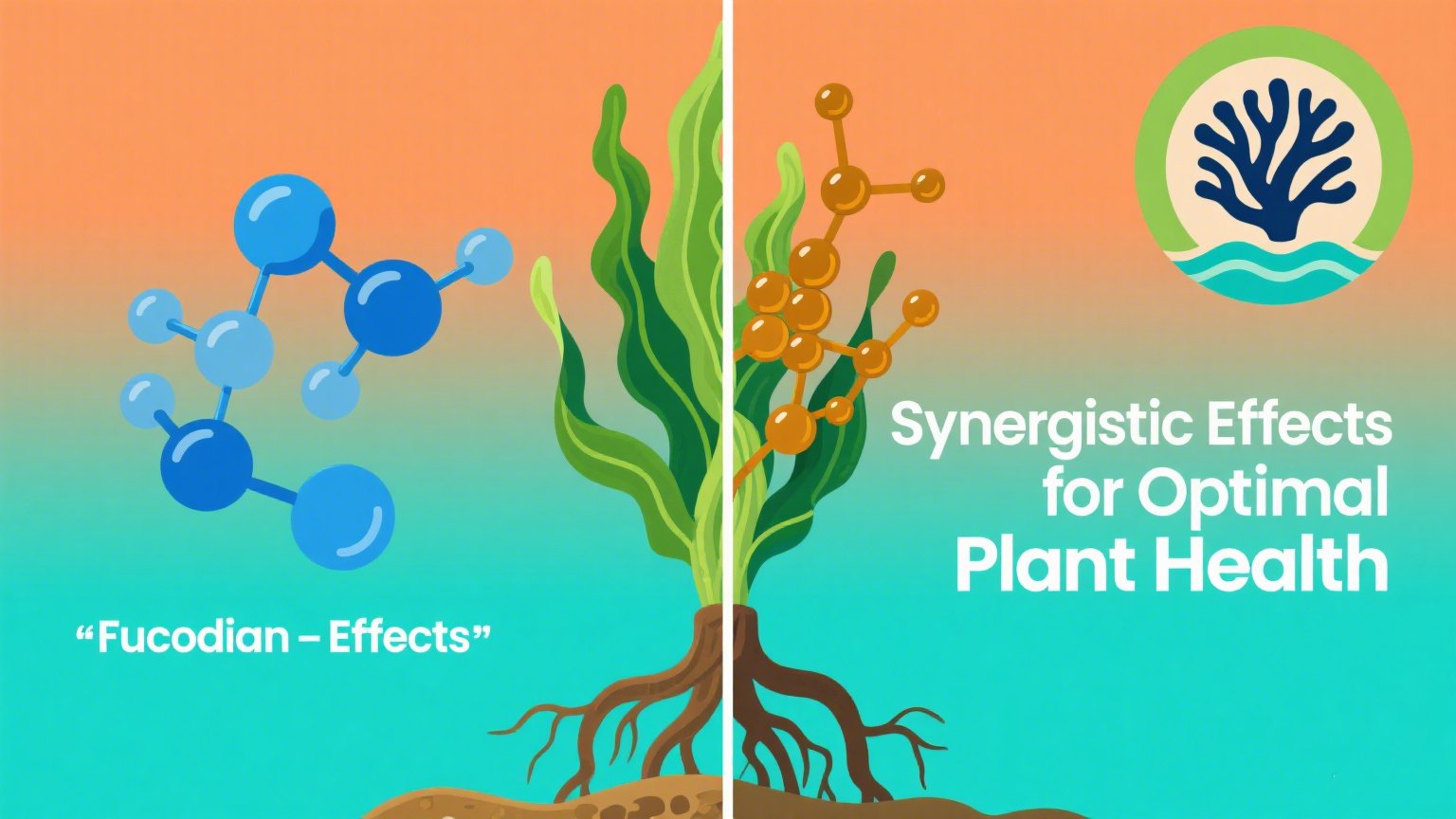
Also called fucoidan sulfate or fucan sulfate, this water-soluble polysaccharide is a sulfated fucose-rich heteropolymer. Its main component is α-L-fucose-4-sulfate, with additional galactose, xylose, and glucuronic acid.
Agricultural Efficacy: Inhibits tobacco mosaic virus infection and antagonizes pathogens causing tree blight, plant diseases, insect infestations, and potato pathogens.
3. 🍃 Storage Carbohydrates
Brown algae contain storage carbs like laminarin and mannitol:
Laminarin: A glucose polymer linked by β-1,3 and partial β-1,6 glycosidic bonds, triggering defense responses in tobacco plants.
Mannitol: Functions in carbon/energy storage, coenzyme regulation, osmotic adjustment, free radical scavenging, and pathogen resistance.