Our Location
Room 1287, Yinzhushan Road,Huangdao, Qingdao, China

Room 1287, Yinzhushan Road,Huangdao, Qingdao, China


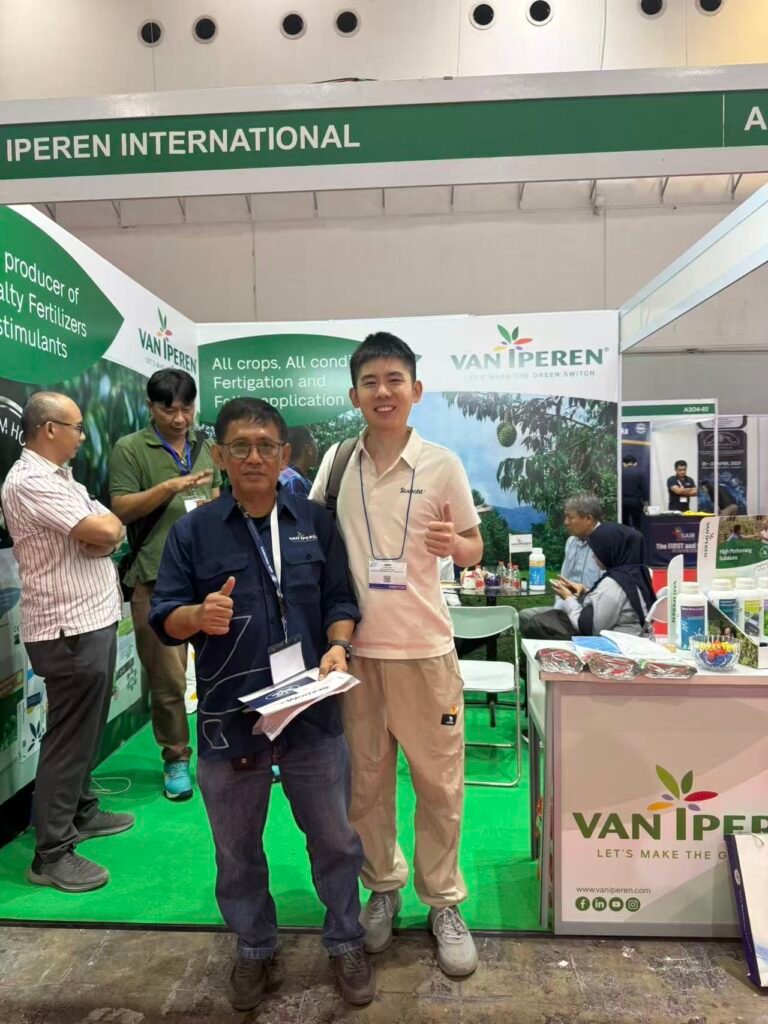
Recently, the Seadom team conducted an on-the-ground market survey in Indonesia. Through in-depth discussions with local distributors, plantation owners, and agribusiness professionals, we gained a clearer understanding of the Indonesian agricultural input market.
Indonesia is one of the most important agricultural producers in Southeast Asia, with a large and continuously growing agrochemical market. Geographically, Kalimantan, Sumatra, and Java stand out as the core agricultural regions and the areas with the highest demand for fertilizers and crop nutrition products.
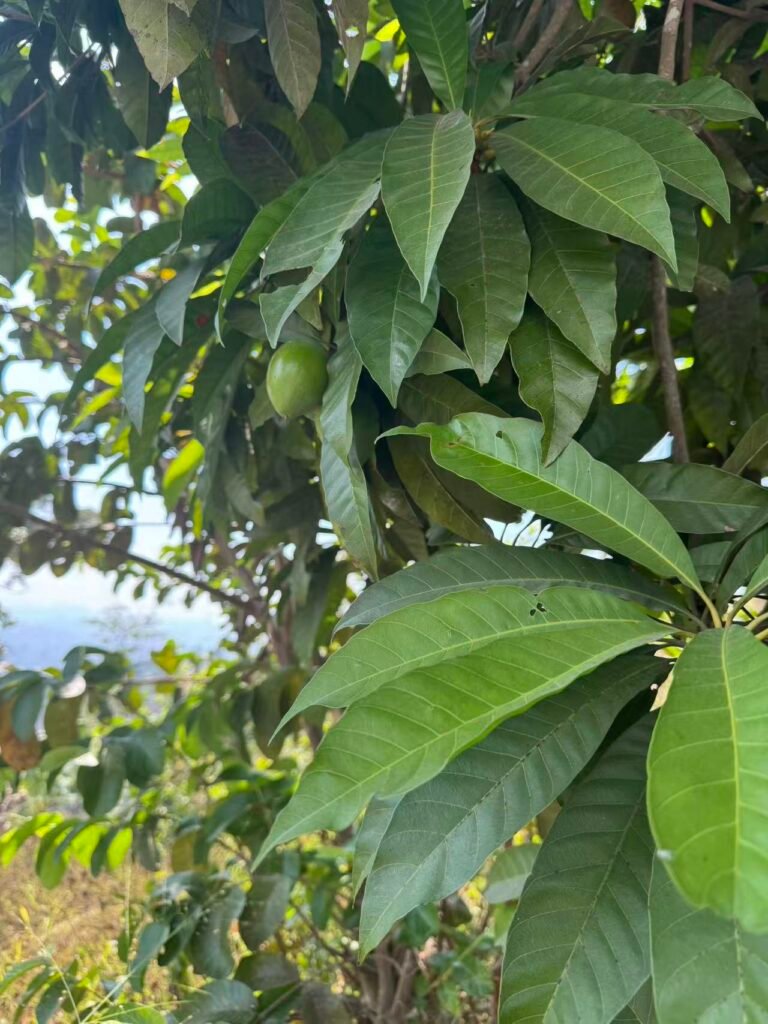
These regions cover Indonesia’s major economic and field crops, including oil palm, durian, mango, sweet potato, corn, and rice. While crop structures and farming practices vary across regions, overall demand for fertilizers and functional products remains strong.
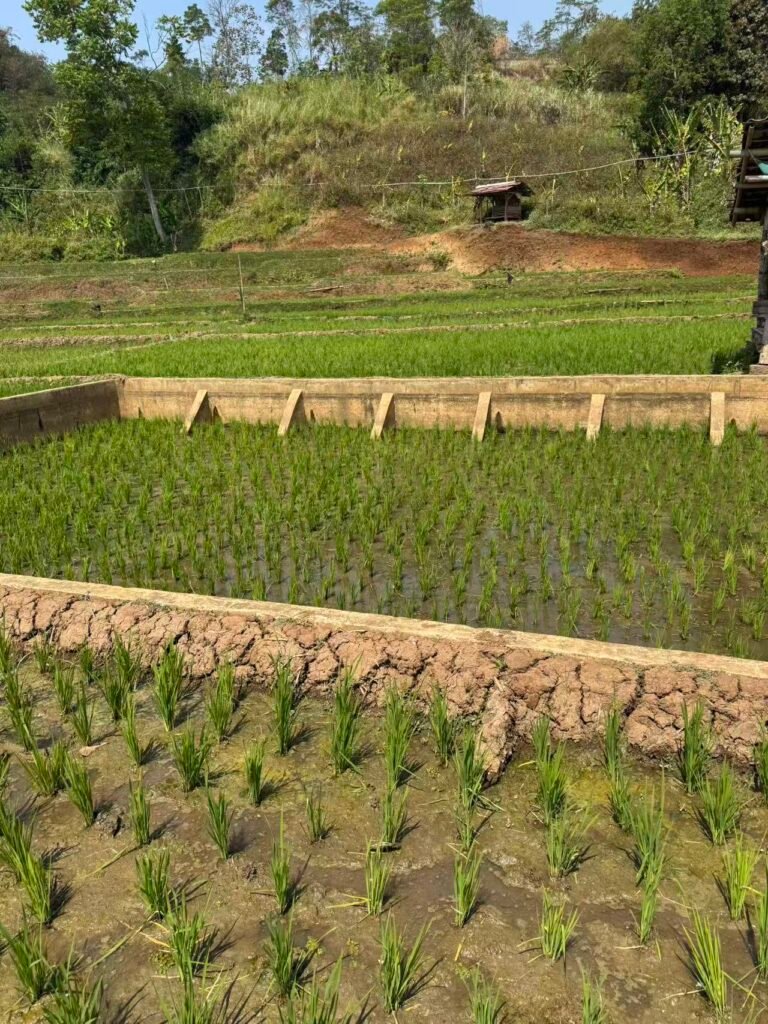
In the conventional fertilizer segment, the Indonesian market shows a clear pattern of state dominance. Certain key fertilizer categories are controlled by large state-owned enterprises. The government supports farmers through subsidy programs (commonly referred to as “government projects”), under which farmers can obtain fertilizers at discounted prices or even free of charge.
These mechanisms play an important role in securing food production and stabilizing the supply of basic fertilizers. At the same time, they create a relatively concentrated competitive landscape. For new entrants, relying solely on conventional NPK or bulk fertilizers to enter the market can be challenging.
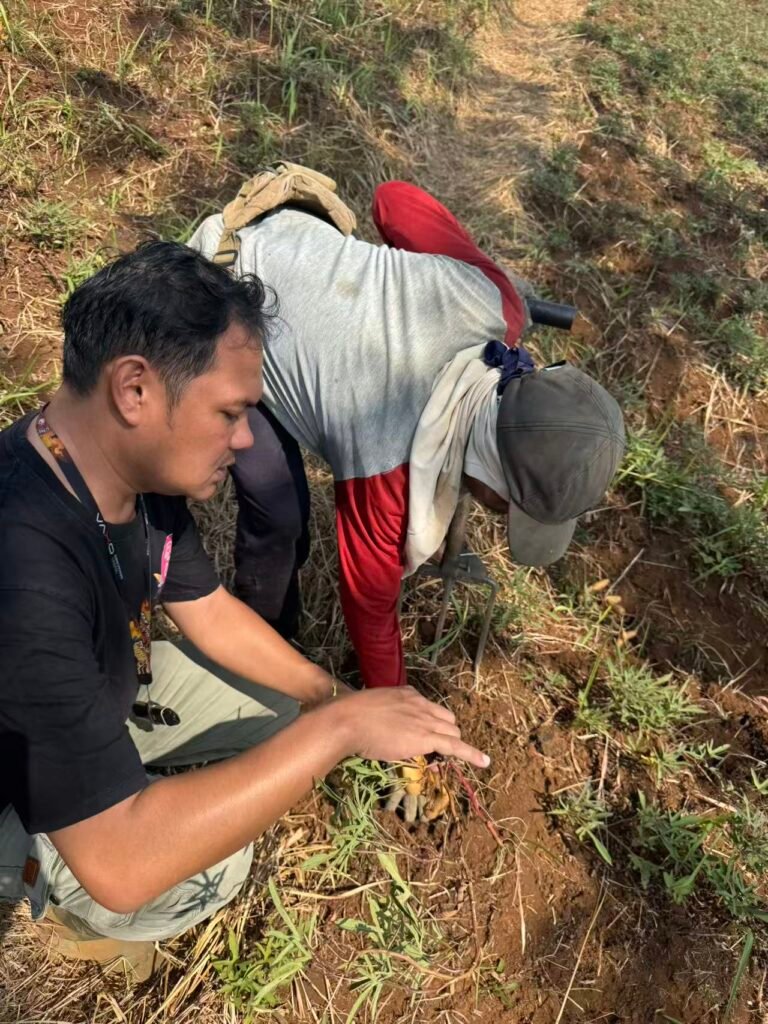
In contrast to conventional fertilizers, the biostimulant segment still presents a significant market gap.
Products such as seaweed extract, amino acids, and humic acid already have some recognition in Indonesia, yet overall market penetration remains relatively low. Many growers and distributors understand that these products can be useful, but they often lack clarity on precise application methods and how to quantify the results.
Looking at Indonesia’s key crops:
These scenarios are precisely where biostimulants such as seaweed extract can deliver value — by promoting root development, improving nutrient use efficiency, and enhancing crop resilience. This allows growers to reduce reliance on chemical fertilizers while achieving more stable yields and better quality.
The potential of the Indonesian biostimulant market is real, but it is not something that can be realized overnight. Success requires:
A market gap represents opportunity, but it also demands patience and commitment. Companies that can take root locally and prove results through data and field performance are the ones most likely to succeed over the long term.
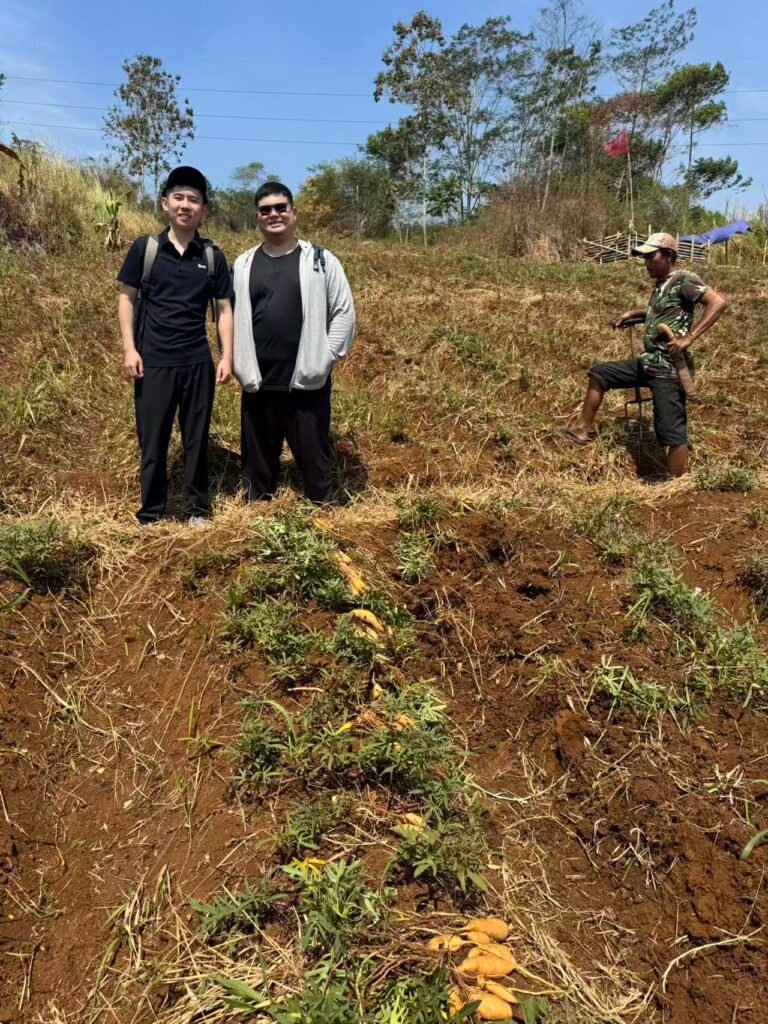
As a manufacturer with more than 35 years of focused experience in seaweed extract, Seadom remains committed to one core mission: helping more farmers achieve better harvests through stable, high-activity products.
We hope that whether it is oil palm plantations, durian growers, or rice and corn farmers across Indonesia, more producers can benefit from scientifically applied biostimulants — achieving higher yields and better returns in a more sustainable way.
Looking ahead, Seadom will continue to deepen collaboration with local partners in Indonesia, delivering solutions that are closer to the field and turning good products into real results.
Helping farmers around the world benefit from our products and achieve more abundant harvests — this has always been our goal, and it remains the driving force behind everything we do.