Our Location
Room 1287, Yinzhushan Road,Huangdao, Qingdao, China

Room 1287, Yinzhushan Road,Huangdao, Qingdao, China

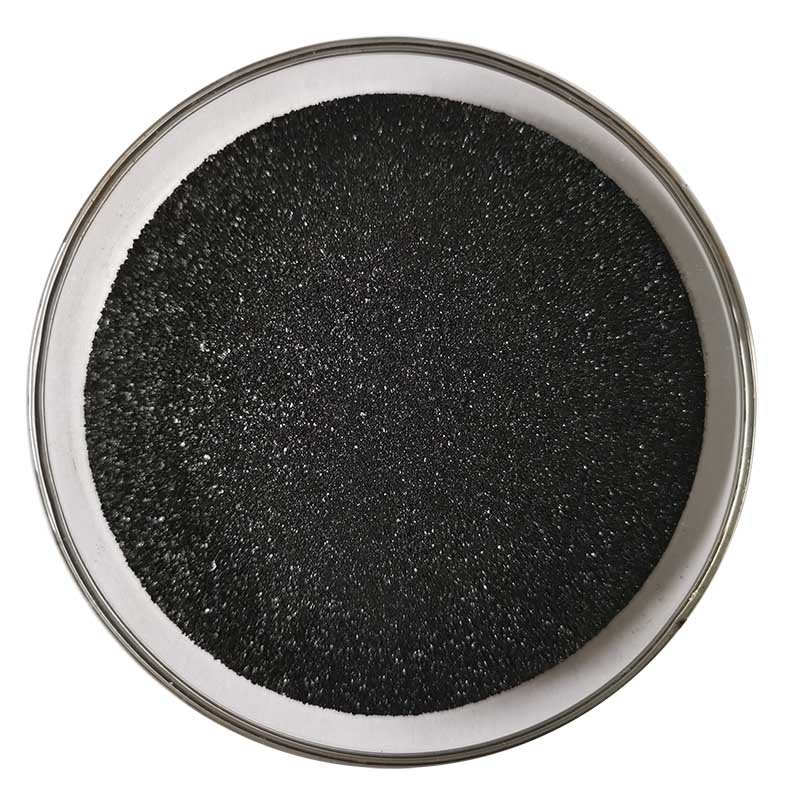
Buyers comparing a seaweed extract powder with a liquid are usually comparing two different things without noticing. The powder is priced per kilogram of a concentrated solid; the liquid is priced per litre of a dilute solution. Until both are converted to the same unit of active ingredient, the comparison is meaningless — and the conversion usually changes the decision.
Take the declared alginic acid content on each product page. Our standard powder is declared at ≥ 18% and the higher grade at ≥ 25%. Our concentrated liquid is declared at ≥ 8 g per litre. One kilogram of the 18% powder therefore carries about 180 g of alginic acid, and it takes roughly 22 litres of the 8 g/L liquid to deliver the same 180 g. At 25%, one kilogram of powder equals about 31 litres of liquid.
That ratio, not the price on the invoice, is what determines the delivered cost per unit of active ingredient. A liquid can look cheaper per container and still cost several times more per kilogram of alginic acid once the water it carries has been shipped across an ocean.
| Question | Powder | Liquid |
|---|---|---|
| Declared alginic acid | ≥ 18% (Content I) ≥ 25% (Content II) | ≥ 8 g/L concentrated ≥ 21–30 g/L green liquid |
| Organic matter | ≥ 40.0% (Content I) ≥ 45.0% (Content II) | ≥ 40 g/L concentrated ≥ 80–150 g/L green liquid |
| Natural plant hormones | 300 ppm (Content I) 600 ppm (Content II) | ≥ 1,000 ppm concentrated ≥ 300 ppm green liquid |
| pH | 9.0–11.0 | Not declared as a powder equivalent |
| Solubility | 100% in water | Fully miscible |
| Freight per unit of active | Lowest | Highest |
| Site preparation | Requires dissolution | None |
| Residue risk in tank or line | Present if mixed badly | None |
Three situations make a liquid the better commercial choice even at a higher cost per kilogram of alginic acid. The first is labour: a distributor selling to smallholders who spray with a knapsack cannot assume the buyer will dissolve a powder correctly, and a badly mixed tank is a wasted application and a complaint. The second is continuous fertigation, where a liquid can be dosed into the line without a dissolution step and without the risk of undissolved particles blocking an emitter. The third is formulation work, where a distributor wants to build a labelled product around a base and a liquid is easier to handle in a filling line.
There is also a difference in what the two products are designed to do. The concentrated liquid is a hormone-forward product at ≥ 1,000 ppm natural plant hormones with a low NPK background — it is built for the signalling job. The powder carries a substantial potassium load (≥ 16% or ≥ 20% K2O) and is built to feed as well as stimulate.
Anywhere the buyer controls the mixing, a powder is cheaper per unit of active ingredient and stores better. A solid does not freeze, does not separate, and has a far longer shelf life in a hot warehouse — which matters in the Middle East and in parts of Southeast Asia. For a formulator buying in bulk, the powder also leaves more room in the formulation: there is no water to account for and no preservative question.
The one thing powder demands is correct dissolution. Our solid grades are alkaline (pH 9.0–11.0) and dissolve completely, but they dissolve faster in warm water and with agitation. Adding the powder to a full tank rather than to water first is the most common cause of lumps and blocked filters.
Yes, and many programmes do: a powder as the base applied through the soil or a spray programme, and a liquid where a fast foliar signal is wanted at a specific stage. There is no incompatibility between our solid and liquid grades, although a jar test is still worth running before combining either with acidic actives or high-calcium inputs.
The relevant product pages are seaweed extract powder, seaweed extract liquid and green seaweed liquid. For what the active fractions do inside the plant, see the active ingredients guide.
Seadom has manufactured seaweed extract from Quebec Ascophyllum nodosum for more than 35 years and exports to more than 40 countries.