Our Location
Room 1287, Yinzhushan Road,Huangdao, Qingdao, China

Room 1287, Yinzhushan Road,Huangdao, Qingdao, China

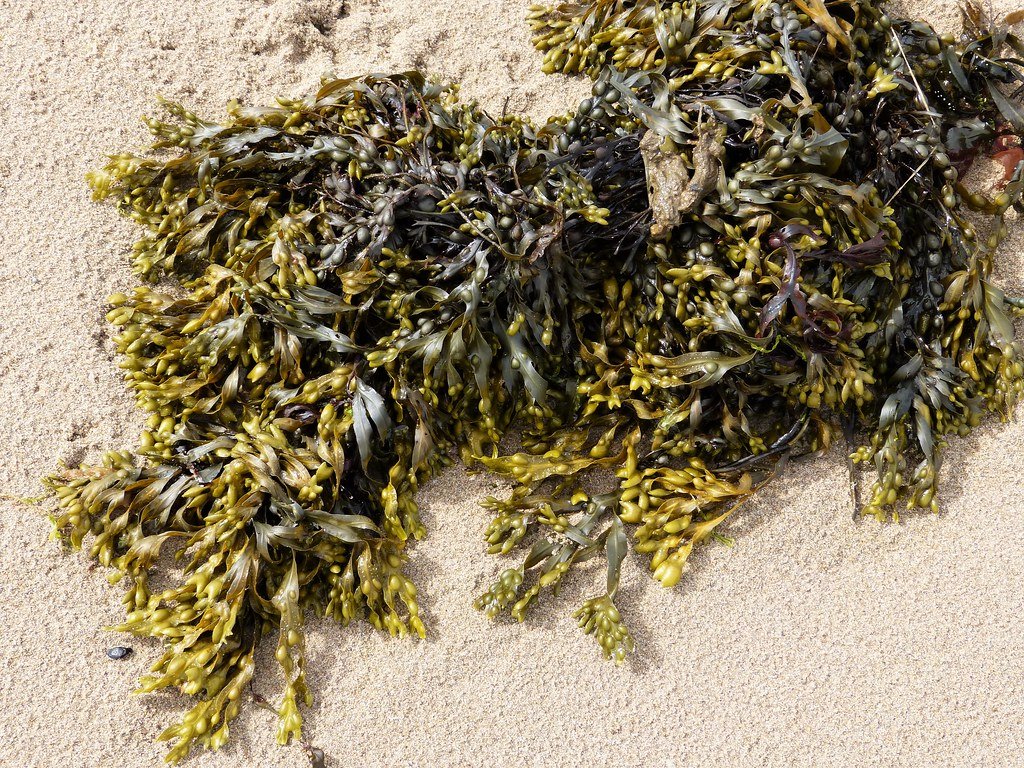
🌊 What Exactly is Seaweed?
Seaweed, also known as macroalgae, is a remarkable group of photosynthetic organisms that flourish in marine environments. Unlike terrestrial plants, they lack true roots, stems, and leaves. Instead, they possess holdfasts to anchor themselves to the ocean floor, blades for photosynthesis, and air bladders to help them float. They play a vital role in marine ecosystems, providing food and habitat for various marine creatures.
🌱 Diverse Species and Their Distribution
There are three primary types of seaweed:
Green Seaweed (Chlorophyta): 🌿 Commonly found in shallow, coastal waters where sunlight is abundant. These areas include tide pools and estuaries. Their vibrant green color comes from the high concentration of chlorophyll, which enables them to carry out photosynthesis effectively in well – lit environments.
Red Seaweed (Rhodophyta): 🔴 Capable of thriving at greater depths due to their unique ability to absorb blue light. They are often found in deeper ocean waters, where other types of light are less available. Red seaweed species are diverse and can have a range of forms, from delicate filaments to more robust, branching structures.
Brown Seaweed (Phaeophyta): 🟤 Predominantly inhabit colder, nutrient – rich waters, especially along rocky coastlines in temperate and polar regions. Kelp, a well – known brown seaweed, forms extensive underwater forests that support a rich diversity of marine life.
🌱 Seaweed Varieties for Fertilizer and the Reasons
Several seaweed species are excellent choices for use as fertilizers:
Kelp (a type of Brown Seaweed): 🟤 Kelp is rich in essential nutrients such as nitrogen, potassium, and phosphorus, which are fundamental for plant growth and development. It also contains growth hormones like auxins and cytokinins that can stimulate root growth, enhance plant vigor, and increase resistance to stress.
Ascophyllum nodosum: 🌿 This brown seaweed is highly valued for its high content of trace elements, including iron, zinc, and manganese. These trace elements are crucial for various enzymatic reactions in plants and can improve overall plant health. Additionally, seaweed – based fertilizers derived from Ascophyllum nodosum can improve soil structure by increasing its water – holding capacity and promoting the growth of beneficial soil microorganisms.
Using seaweed as a fertilizer offers a sustainable and eco – friendly alternative to chemical fertilizers. It not only enriches the soil but also contributes to the health of our planet by reducing the environmental impact associated with traditional agricultural practices.