Our Location
Room 1287, Yinzhushan Road,Huangdao, Qingdao, China

Room 1287, Yinzhushan Road,Huangdao, Qingdao, China

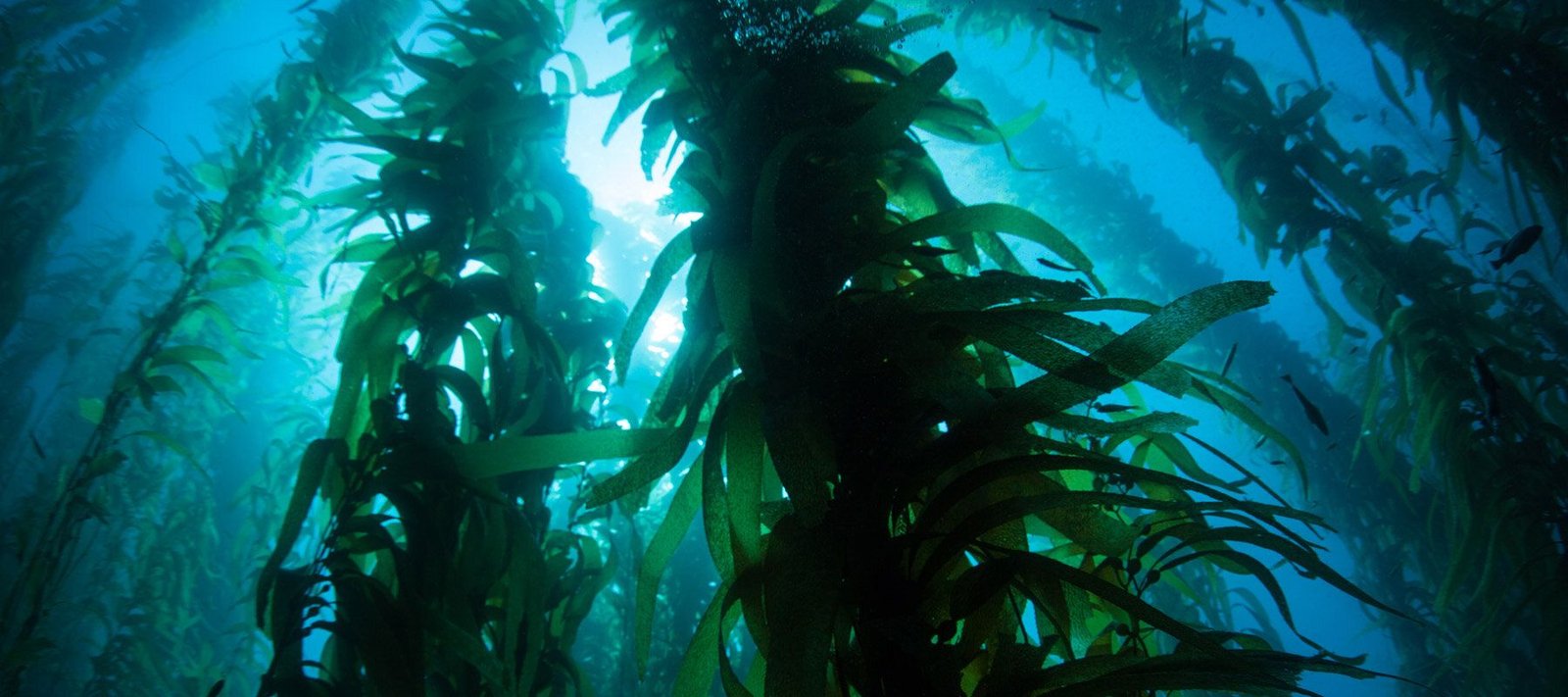
🌿 Ecklonia maxima
Also known as “sea bamboo,” this brown alga belongs to the Ecklonia genus within the Phaeophyta phylum. Its thallus features distinct stem-like (stipe) and leaf-like (blade) structures, with a trunk-like stipe that is thick and tall. Native to the Atlantic coast of Africa, from South Africa to Namibia, it serves as the core raw material for seaweed fertilizer production by South Africa’s Kelpak Company.
🔹 Ecological Footprint & Adaptations
Widely distributed along South Africa’s western coast, Ecklonia maxima dominates shallow temperate zones (up to 8 meters deep), forming spectacular underwater forests. Anchored by holdfasts to seabed rocks or other algae, each thallus has a single, elongated stipe rising to the surface. Air bladders suspend blade clusters near the water’s surface for optimal photosynthesis. This kelp is dual-purpose: processed into fertilizers and used as feed in abalone aquaculture.
🌊 Durvillaea potatorum
A member of the Phaeophyta phylum, this genus comprises 6 known species, predominantly in the Southern Hemisphere—particularly abundant in New Zealand, South America, and Australia. Many species are nicknamed “bull kelp,” a nod to their massive size and robust structure.
✨ Biology & Nomenclature
Thriving in cold, turbulent coastal waters, these brown algae form dense kelp beds that sustain marine ecosystems. The term “bull kelp” highlights their thick stipes and leathery blades—adaptations for withstanding strong currents. Their ecological importance and biotech potential in agriculture and conservation are gaining global attention.