Our Location
Room 1287, Yinzhushan Road,Huangdao, Qingdao, China

Room 1287, Yinzhushan Road,Huangdao, Qingdao, China

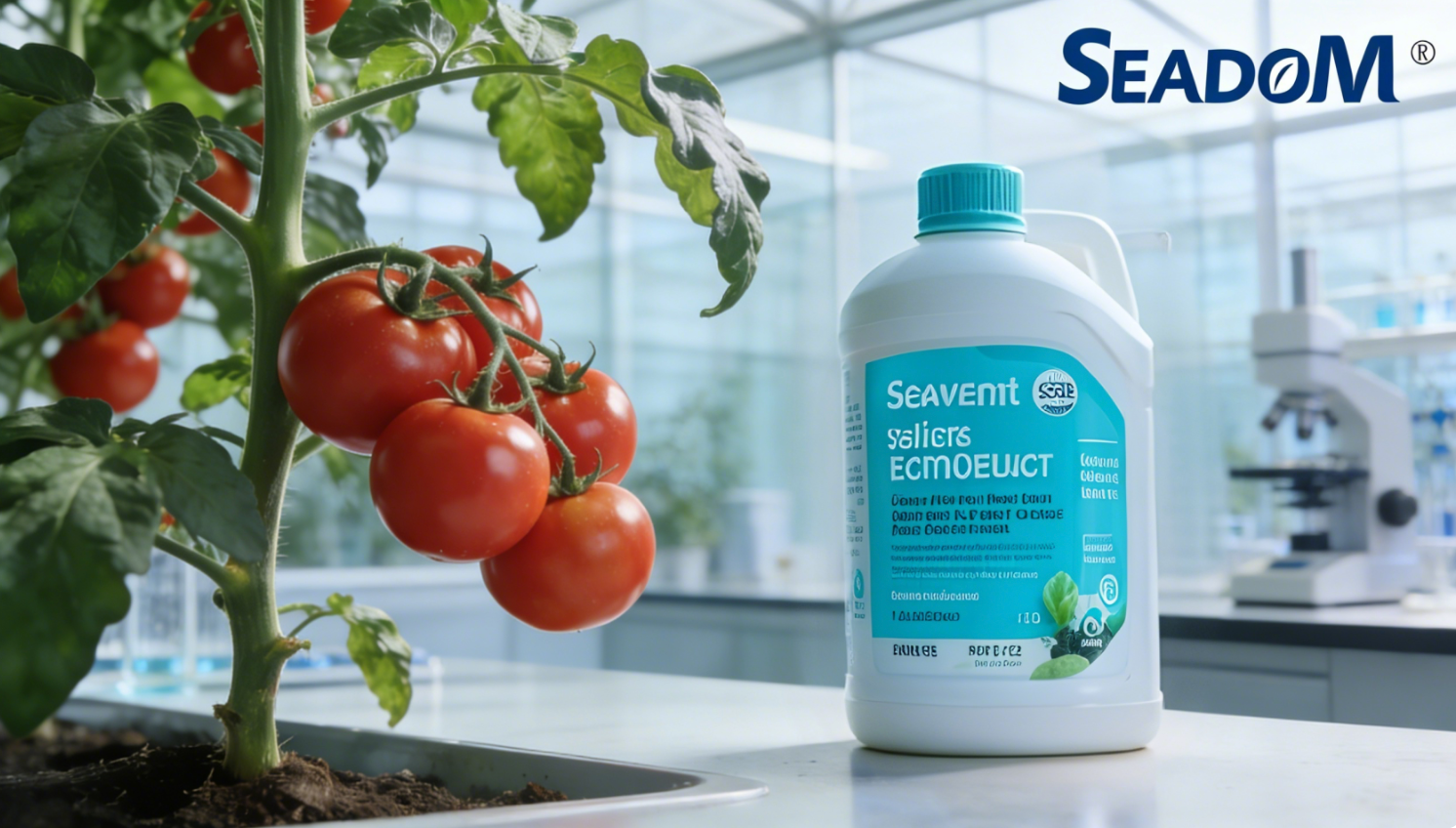
In early October, a severe typhoon struck Yangjiang during a critical growth stage, presenting a major stress test for these crops.
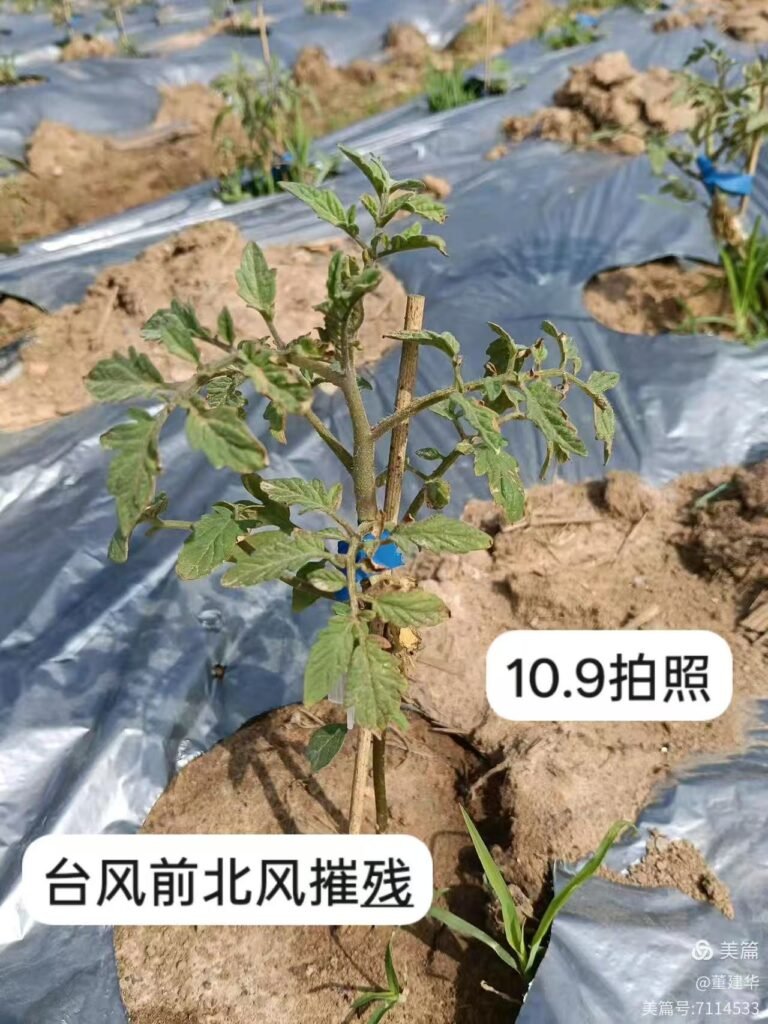
Summary of Actions and Results
Despite six years of continuous cropping, the field now leads neighboring bases in flower and fruit development and is on track for a high-yield harvest, underscoring Seadom’s effectiveness in post-disaster repair and ongoing crop management.
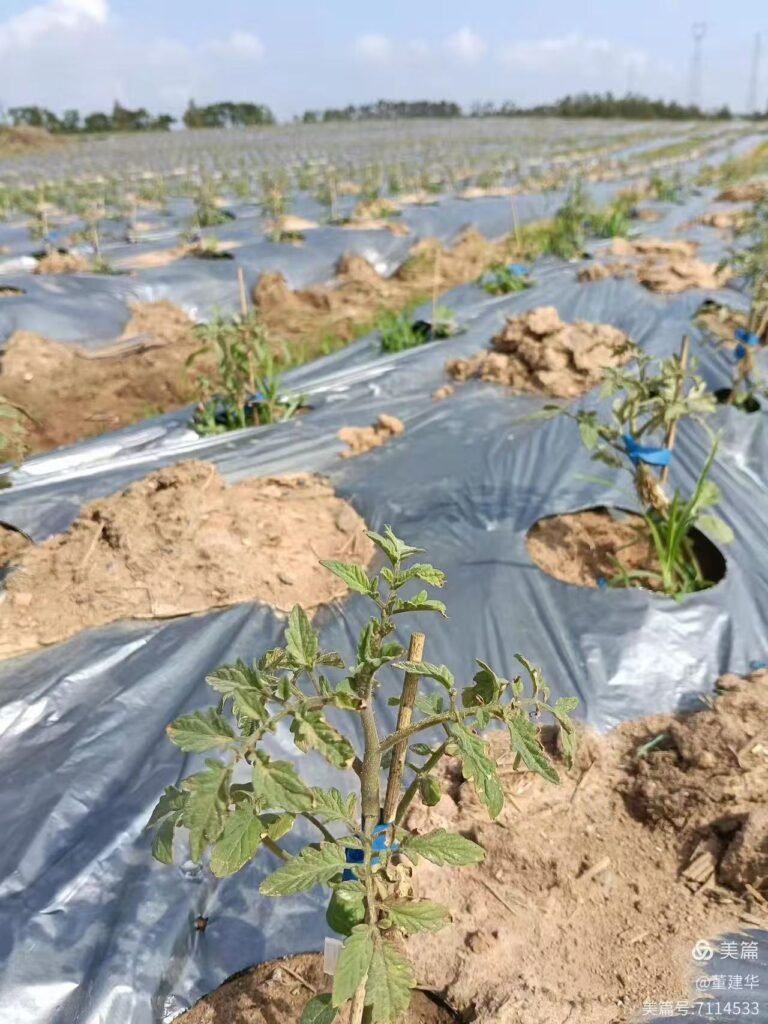
A severe typhoon on October 3 severely stressed strawberry tomato fields in Yangjiang, causing widespread withering, wilting, and growth stagnation.
Starting October 10, growers used Seadom’s Soilhope via root and foliar routes, later integrating Seadom Seaweed Extract Granule and KH2PO4 for dual-path nutrition and precise regulation.
Within 5–11 days, plants rebounded with greener, thicker leaves, stronger stems and roots, improved stress resistance, and disease suppression—ultimately surpassing pre-disaster vigor.
On-site inspections showed:
Initial Remediation on October 10: Soilhope Application
Growers applied Seadom’s core plant nutrition product—Soilhope (Disaccharide Stress-Resistant Repair Nutrient)—by drenching the canopy and irrigating the roots.
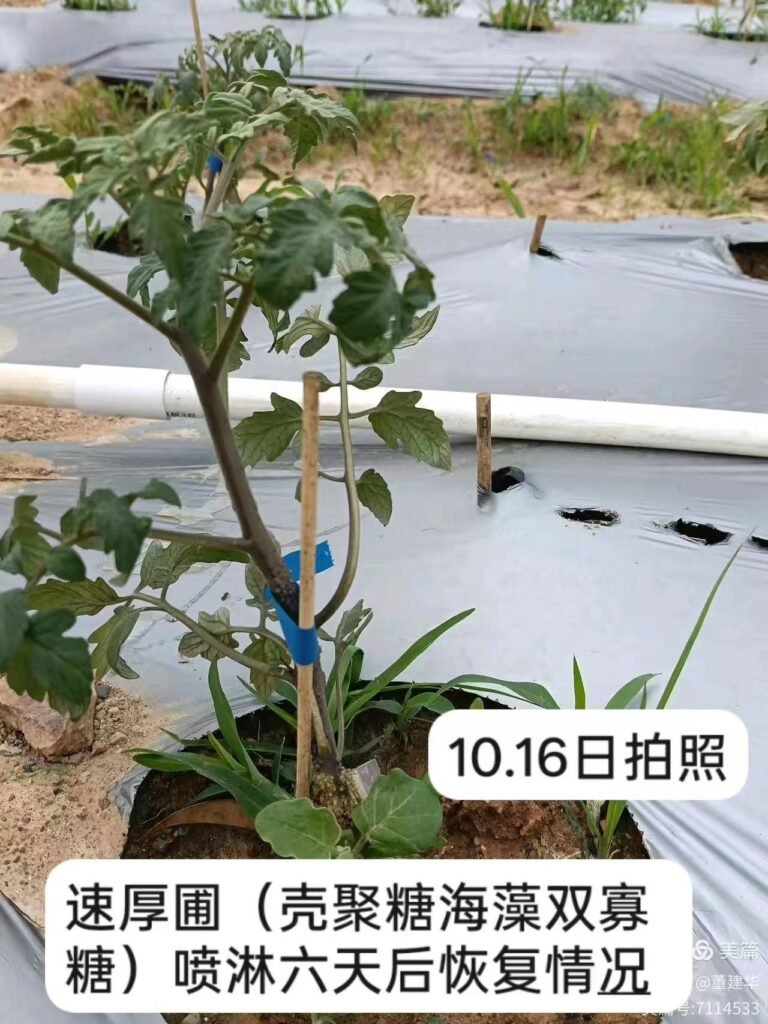
Five-Day Results (by October 15)
This recovery ended post-disaster growth stagnation and supported upcoming flowering and fruit set.
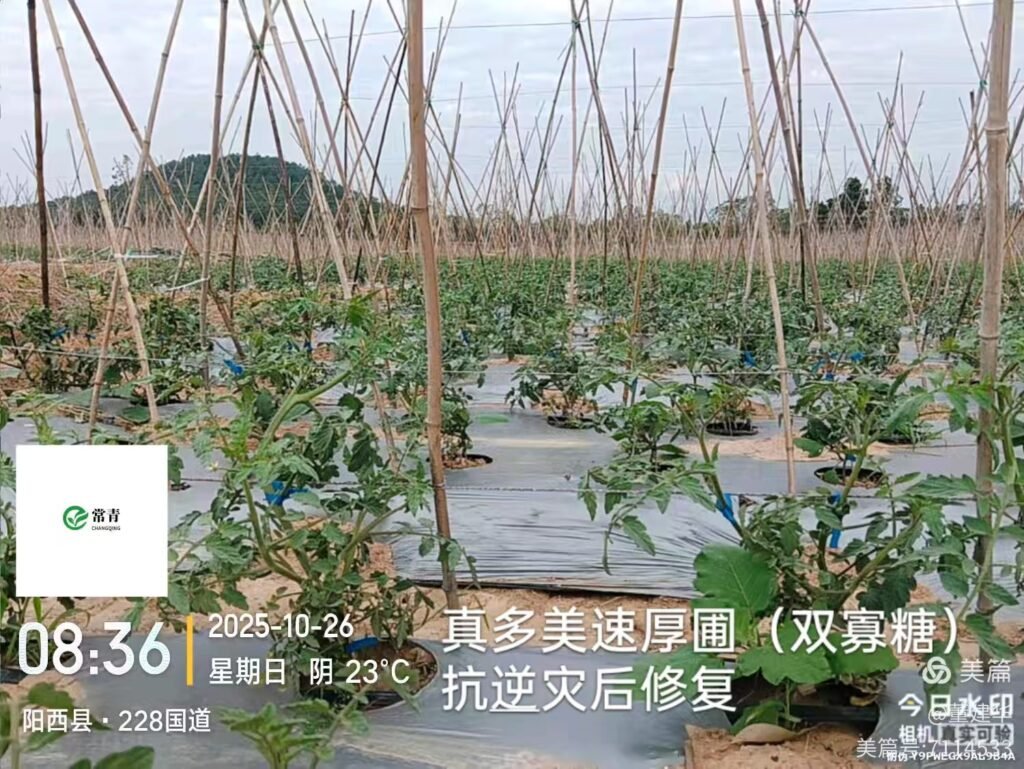
Field Revisit on October 26: Beyond Pre-Disaster Levels
A technical team inspection found:
This demonstrated Soilhope’s strong repair capability after extreme weather, positioning the crop for high yield and quality.
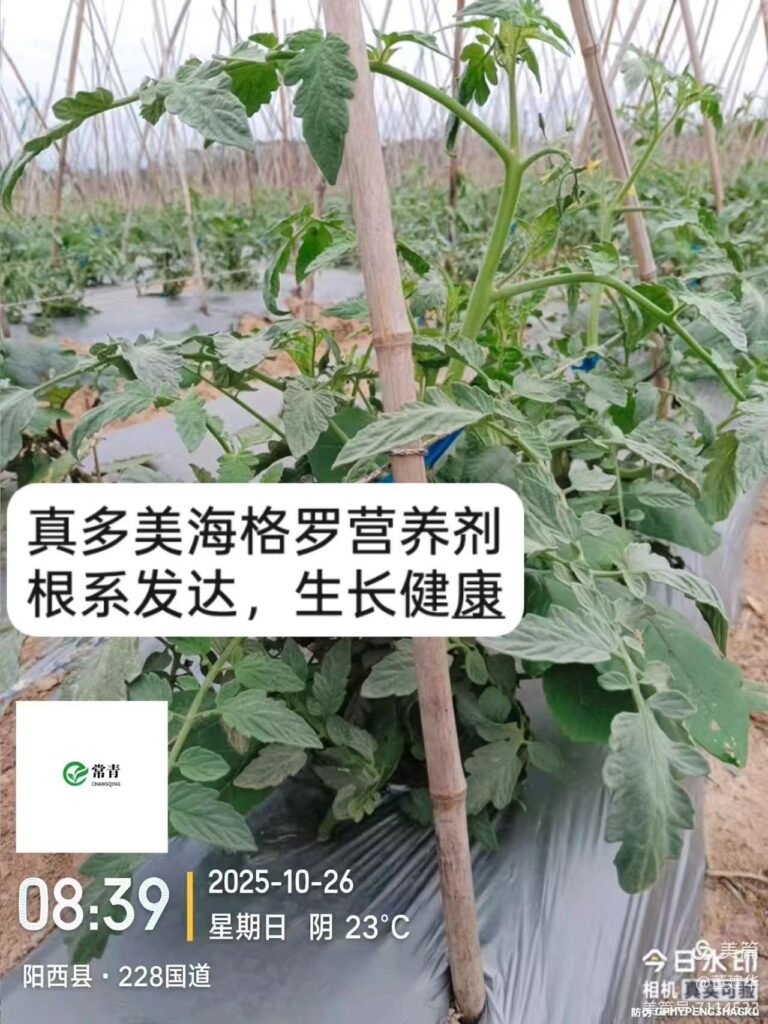
Dual-Driven Nutrient Supply on October 18
To further strengthen plants:
Together, they counteracted typhoon and heavy-rain impacts, preparing plants for reproductive growth.
Soil irrigation fortified the root system, improving water and nutrient uptake.
Foliar spraying rapidly replenished stress-repair components and boosted photosynthesis.
Together, they counteracted typhoon and heavy-rain impacts, preparing plants for reproductive growth.
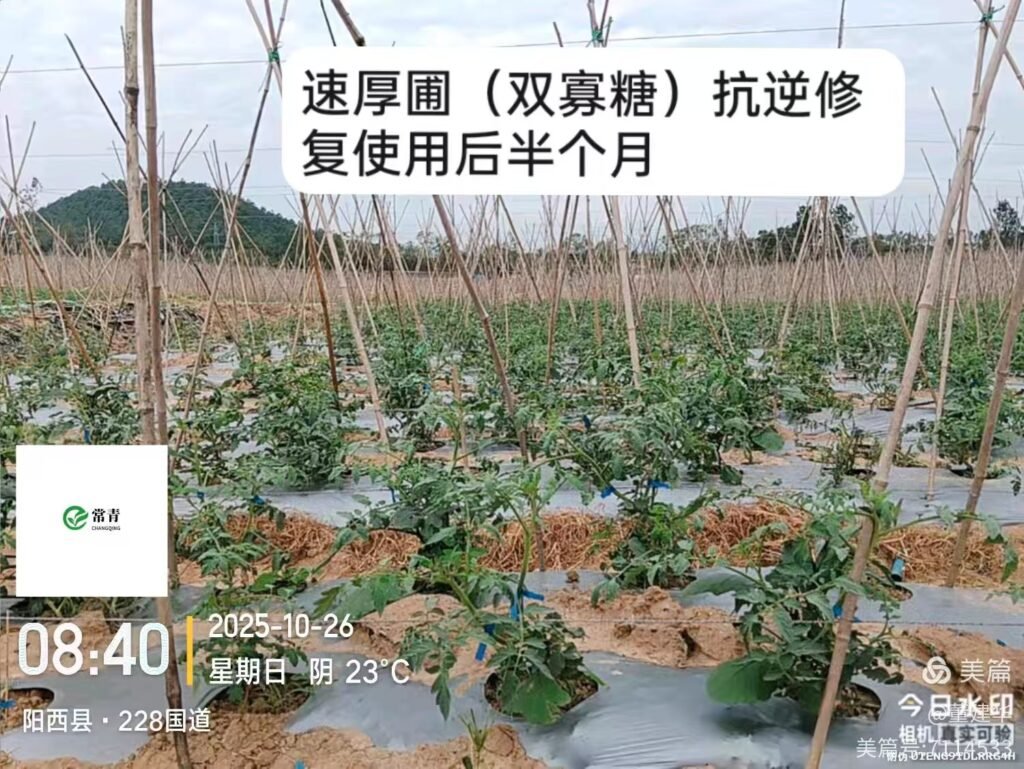
Precision Nutrient Regulation Plan
During recovery, a targeted program was implemented:
Delivered precise, efficient nutrition for higher yield and quality.
Curbed excessive vegetative growth, preventing nutrient waste.
Promoted flower bud differentiation and fruit development.
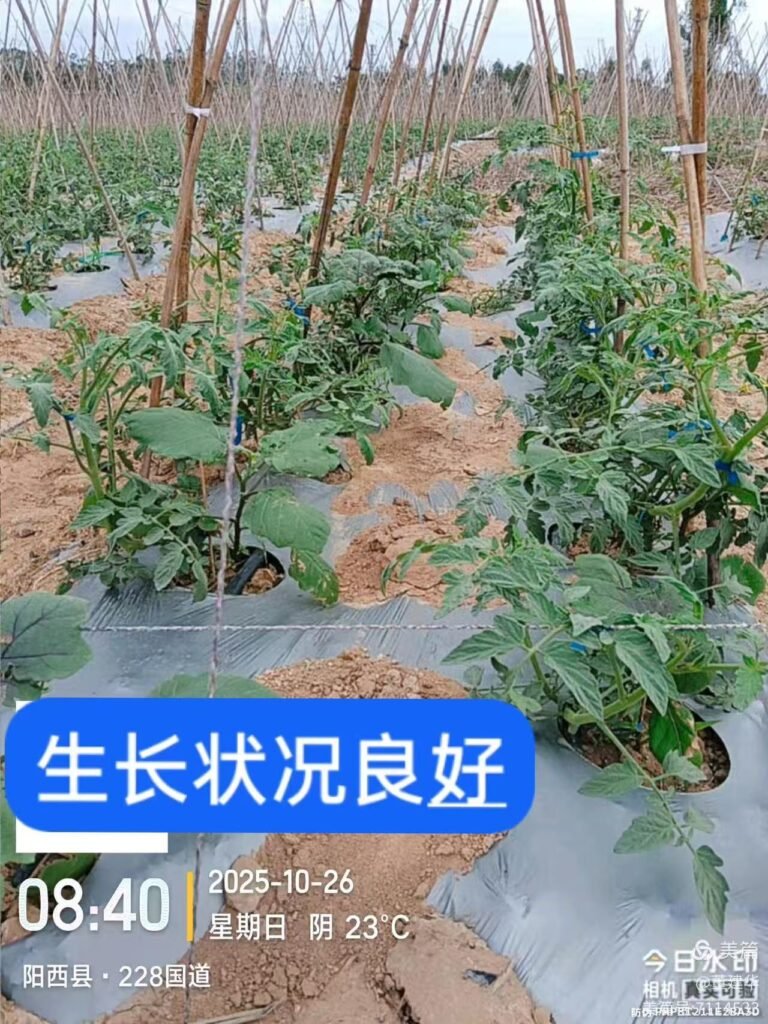
Current Plant Status and Disease Management
Following regulation and restoration:
Reduced disease risk from post-disaster weakness, safeguarding healthy growth and yield potential.
Stems are thick, firm, and well-supported.
Leaves are plump, bright, and highly photosynthetically active.
Soilhope shows notable disease control advantages, inhibiting bacterial wilt, canker, and viral diseases common in tomatoes.
Comparative Performance with Surrounding Bases
Although the field has not yet reached peak flowering and fruiting:
The contrast highlights Seadom’s advantages in post-disaster restoration, growth regulation, and yield assurance.
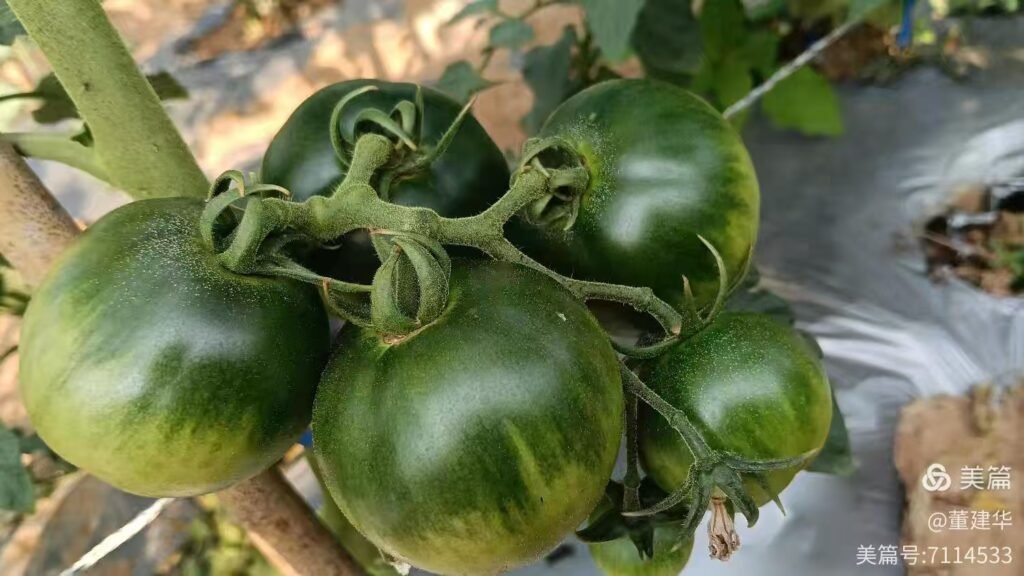
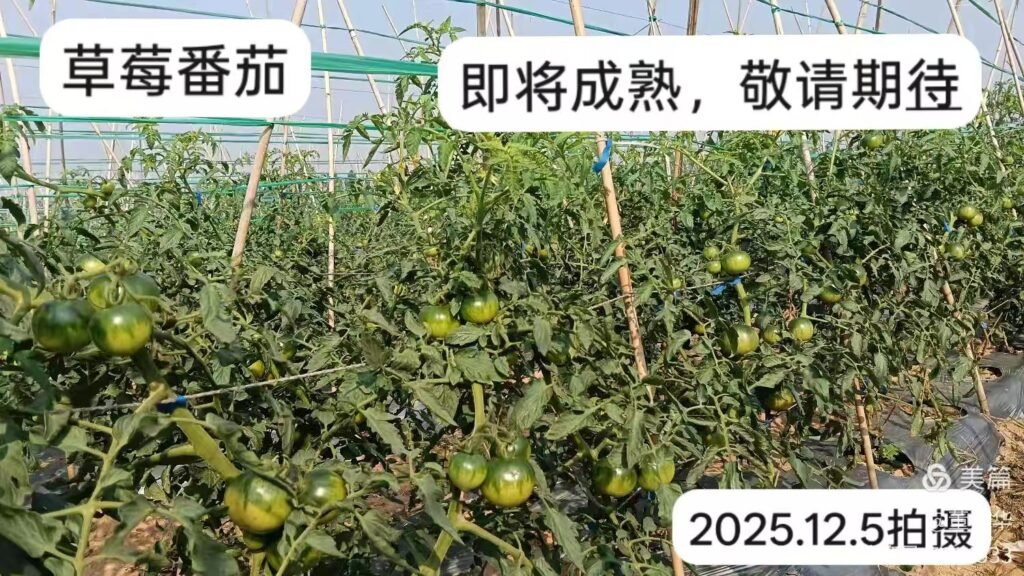
Plants exhibit strong stems, dark green leaves, and orderly flower/fruit development.
Compared with neighboring bases—some with better soils and meticulous management—this field shows superior flower and fruit numbers, while others still struggle with post-disaster weakness.
Addressing Continuous Cropping Challenges
This plot has grown tomatoes continuously for six years, increasing risks of:
With Seadom’s full-process plant nutrition solution—early soil improvement, precise in-season nutrition, post-disaster repair, and Soilhope’s strong stress-repair capacity—the plot:
Effectively mitigated long-term continuous cropping issues.
Passed high-risk disease stages in early growth.
Achieved steady, robust growth with no obvious disease symptoms.
Outlook
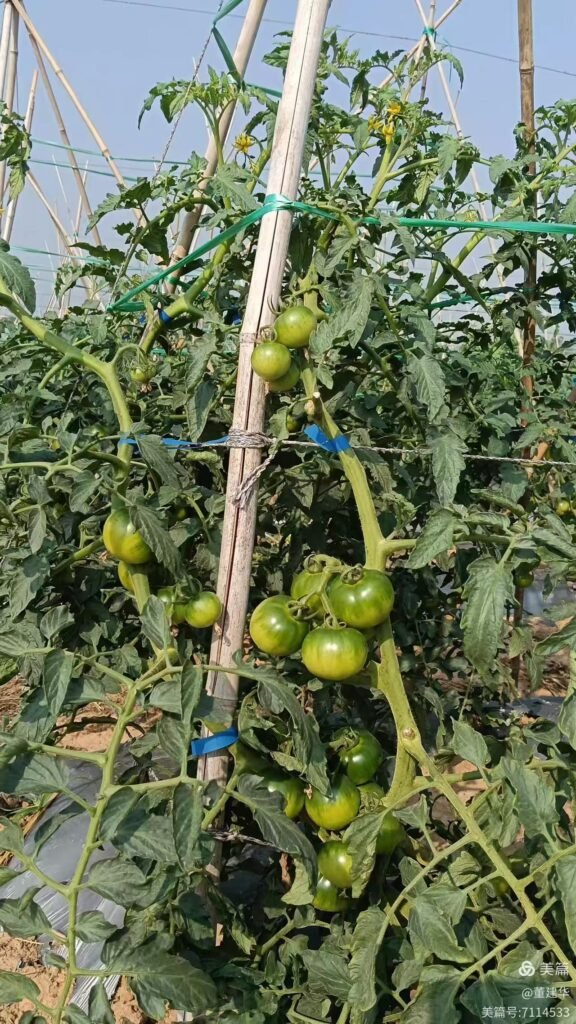
The field now shows luxuriant plants with dense foliage and forming flowers and fruits, signaling an approaching bumper harvest and boosting confidence among growers and the technical team.
Qingdao Seadom Plant Nutrition Co., Ltd. focuses on growers’ core needs. For stress events during crop cycles (typhoons, heatwaves, mild flooding, short-term low temperatures, mild haze, etc.), Seadom leverages professional R&D in plant nutrition to deliver efficient, precise repair solutions—helping reduce losses, secure growth, and support stable agricultural development.
https://www.facebook.com/seadomseaweedextract
Short answer: The typhoon brought sustained northerly winds at force 10 for over 10 hours followed by heavy rain, striking the crop at a critical growth stage. Field inspections showed leaf tip withering and drying, widespread wilting, and near-stagnant growth, leaving the overall condition highly concerning and jeopardizing upcoming flowering and fruit set.
Short answer: On October 10, growers drenched the canopy and irrigated the roots with Soilhope (a disaccharide stress-resistant repair nutrient). Within five days, leaf edges regained luster, new shoots emerged, and overall vitality returned. By day 11, previously withered leaves turned green and thick, stems stood upright, root activity surged with more new roots, and resistance to cold, waterlogging, and disease improved—effectively ending growth stagnation and supporting the next flowering and fruiting phases.
Short answer: On October 18, 500 g/mu of Seadom Seaweed Extract Granule was applied via soil irrigation while Soilhope was sprayed on foliage. Root absorption fortified the root system and enhanced water and nutrient uptake, while foliar feeding rapidly replenished stress-repair components and boosted photosynthesis. Together, these routes counteracted typhoon and heavy-rain damage and primed plants for reproductive growth.
Short answer: The plan used a foliar spray of Soilhope at 1000× dilution and alternated twice between Seaweed Extract Granule and potassium dihydrogen phosphate (KH₂PO₄). This curbed excessive vegetative growth to prevent nutrient waste, promoted flower bud differentiation and fruit development, and delivered precise, efficient nutrition—improving the prospects for higher yield and quality.
Short answer: Despite six consecutive years of tomato cultivation (which heightens risks like bacterial wilt and root rot), the field surpassed nearby bases—some with better soils and intensive management—in flower and fruit numbers. Plants showed thick, upright stems and dark green, active foliage. Soilhope also displayed disease-control advantages, inhibiting bacterial wilt, canker, and viral diseases, reducing post-disaster vulnerability. By the October 26 revisit, growth had rebounded beyond pre-disaster levels, positioning the field for a high-yield harvest.